Fashion & Lifestyle
Fashion and lifestyle represent far more than the clothes we wear or the products we consume. They form a visual language through which we communicate our values, aspirations, and identity to the world. Whether you’re discovering your personal aesthetic for the first time or refining a style you’ve cultivated for years, understanding the fundamental principles that connect fashion choices with intentional living can transform how you present yourself and navigate daily life.
This comprehensive exploration connects the dots between personal style development, conscious consumption, and holistic well-being. From building a functional wardrobe that truly reflects who you are to integrating fashion choices with broader lifestyle decisions, we’ll examine the essential elements that create a cohesive and authentic approach to both dressing and living. The goal isn’t to follow fleeting trends blindly, but to develop the knowledge and confidence to make choices that genuinely serve your life.
What Defines Your Personal Style?
Personal style is the intersection of self-knowledge and visual expression. Unlike fashion trends that cycle seasonally, your personal style remains relatively consistent—it’s the distinctive way you combine garments, colors, and silhouettes that feels authentically “you.” Think of it as your visual signature, recognizable across different contexts and occasions.
Developing this signature requires honest self-assessment. Consider your lifestyle demands: Do you spend most days in corporate environments, creative studios, or outdoor settings? Your wardrobe should primarily serve your actual life, not an imagined one. A common mistake many people make is purchasing items for occasions that rarely materialize, leaving closets full of unworn pieces while everyday needs go unmet.
Observe what you naturally gravitate toward. When you feel most confident and comfortable, what are you wearing? These moments reveal your style truth more accurately than any magazine editorial. Pay attention to recurring elements—perhaps you consistently choose structured shoulders, prefer monochromatic palettes, or always reach for vintage-inspired pieces. These patterns aren’t random; they’re clues to your authentic aesthetic preferences.
Building a Functional Wardrobe Foundation
A well-functioning wardrobe operates like a modular system where pieces work together harmoniously. The concept of “wardrobe essentials” has been discussed extensively, but the specific items that qualify as essential vary dramatically based on individual circumstances. What remains universal is the principle: prioritize versatility and quality in foundational pieces.
The Role of Core Pieces
Core pieces form the backbone of countless outfit combinations. These aren’t necessarily the most exciting items you own, but they’re the reliable foundations that anchor your wardrobe. Consider a well-fitted pair of neutral trousers—whether that’s tailored wool pants, dark denim, or linen blends depends on your lifestyle. This single item might appear in half your weekly outfits when paired with different tops, shoes, and accessories.
Quality matters significantly more in these foundational pieces than in trend-driven items. A superior-quality basic worn fifty times per year represents better value and environmental stewardship than a cheaply made statement piece worn twice. Look for indicators like fabric weight, seam construction, and hardware quality when evaluating potential investments.
Strategic Variety and Statement Pieces
Once your foundation exists, strategic additions create visual interest and personality. Statement pieces—whether a distinctive jacket, bold accessory, or unique footwear—transform basic outfits into memorable ones. The key is proportion: approximately 70% foundational pieces to 30% statement items creates a wardrobe that’s both functional and expressive.
Rotate statement pieces seasonally based on actual wear patterns. If something hasn’t been worn in a full year despite multiple appropriate occasions, it likely doesn’t align with your authentic style, regardless of how appealing it seemed at purchase.
How Does Sustainable Fashion Reshape Lifestyle Choices?
The fashion industry’s environmental impact has become increasingly difficult to ignore, with textile production contributing significantly to water pollution, carbon emissions, and waste generation. Sustainable fashion isn’t merely an aesthetic choice—it represents a fundamental shift in how we relate to clothing and consumption.
Understanding Quality Over Quantity
The shift toward sustainability often begins with a simple realization: fewer, better items serve us more effectively than closets stuffed with disposable fashion. This isn’t about deprivation; it’s about intentionality. A garment worn thirty times provides more utility and joy than three items worn ten times each, even if the initial cost is higher.
Evaluating quality requires developing specific knowledge. Learn to assess fabric composition—natural fibers like wool, linen, and cotton generally outlast synthetic alternatives and biodegrade more readily. Examine construction details: are seams finished properly? Are buttons securely attached? Does the garment maintain its shape after trying it on? These small indicators predict longevity.
The Second-Hand Renaissance
Pre-owned fashion has evolved from thrift store treasure hunting to a sophisticated market offering everything from vintage rarities to nearly-new contemporary pieces. Buying second-hand dramatically reduces environmental impact while often providing access to higher-quality items at accessible price points. A well-made garment from a previous decade often surpasses the construction quality of contemporary fast fashion equivalents.
Successfully navigating second-hand shopping requires patience and clear knowledge of your measurements and preferred fit. Unlike traditional retail’s standardized sizing, vintage and pre-owned items vary significantly. Many experienced second-hand shoppers maintain a reference list of their measurements to quickly assess potential purchases.
The Transformative Power of Accessories
Accessories function as the punctuation marks of personal style—they clarify, emphasize, and sometimes completely transform the meaning of an outfit. A single outfit foundation can project entirely different messages depending on accessory choices, making them among the most cost-effective tools for wardrobe versatility.
Consider a simple example: neutral trousers and a white shirt. Add minimalist leather accessories and streamlined shoes for professional sophistication. Swap those for chunky jewelry and colorful sneakers, and the same base reads as creative casual. The foundational investment remains constant while accessories provide variation.
Quality accessories often represent wise long-term investments. A well-crafted leather bag, classic timepiece, or versatile scarf can serve you for decades, developing character and patina that enhances rather than diminishes their appeal. When evaluating accessory purchases, consider cost-per-wear over multiple years rather than initial price alone.
Proportion and balance matter significantly in accessory styling. If wearing a statement necklace, consider simpler earrings. Bold shoes might pair best with understated bags. These aren’t rigid rules but useful guidelines—the goal is creating visual harmony rather than competing focal points.
Integrating Fashion With Holistic Lifestyle
True style extends beyond clothing into how we structure our days, care for ourselves, and create our living environments. Fashion and lifestyle naturally intersect because both reflect our values and priorities. Someone who prioritizes wellness and intentional living will likely approach wardrobe decisions differently than someone focused purely on trend participation.
Consider the practical intersections: an active lifestyle necessitates functional athletic wear that transitions seamlessly from workout to errands. Someone prioritizing environmental sustainability will likely extend that value from fashion choices to home goods, food systems, and transportation. A minimalist aesthetic in personal style often correlates with simplified living spaces and streamlined possessions.
Morning routines provide a perfect example of fashion-lifestyle integration. A well-organized wardrobe where everything fits, flatters, and coordinates reduces decision fatigue and morning stress. When getting dressed becomes effortless rather than overwhelming, you preserve mental energy for more meaningful decisions throughout your day. This is why successful personal style isn’t about having more options—it’s about having better, more intentional options.
Self-care practices also influence style choices. Adequate sleep, proper hydration, and stress management create the foundation for confidence that makes any outfit more successful. No garment looks its best on someone who feels depleted or uncomfortable in their own body. Conversely, when you feel physically and mentally well, even simple outfits convey presence and assurance.
Cultivating Style Inspiration Without Losing Authenticity
We live in an era of unprecedented visual access—social media, digital magazines, and style blogs provide endless inspiration. This abundance presents both opportunity and challenge: how do we gather inspiration without losing our authentic voice to imitation?
Effective inspiration gathering focuses on identifying patterns and principles rather than copying specific looks. When you encounter an outfit or aesthetic that resonates, ask yourself why. Is it the color palette? The proportions? The unexpected combination of casual and formal elements? Understanding what specifically appeals to you allows you to apply those principles to your existing wardrobe rather than feeling compelled to purchase exact replicas.
Create a personal inspiration system—whether a digital folder, physical mood board, or saved collections—but review it periodically for patterns. You might discover you consistently save images featuring earthy tones, architectural silhouettes, or relaxed tailoring. These recurring themes reveal your authentic aesthetic preferences more reliably than any style quiz.
Remember that inspiration images often represent styled moments rather than practical daily dressing. Professional stylists, perfect lighting, and specific body positioning create aspirational images that may not translate directly to real life. Extract the essence—the color story, the layering technique, the accessory styling—rather than expecting identical results.
Fashion and lifestyle ultimately converge in the daily practice of intentional living. By developing clear personal style, building a functional wardrobe, embracing sustainable choices, and integrating these elements with broader wellness priorities, you create a cohesive approach that serves both practical needs and authentic self-expression. The journey isn’t about achieving perfection or following prescribed rules—it’s about developing the self-knowledge and confidence to make choices that genuinely enhance your life.
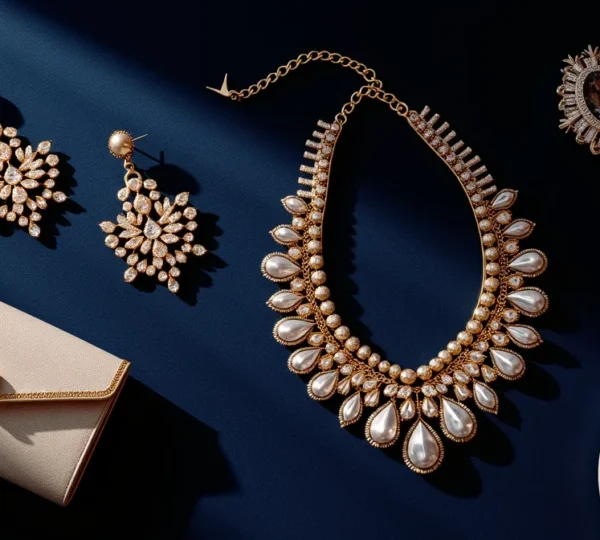
From Desk to Dinner: A Strategic Guide to Evening Accessory Transformation
In summary: Treat accessorizing like a science: Use a point system to balance statement pieces and avoid a cluttered look. Prioritize structure over style for comfort: Test your heels for…
Read more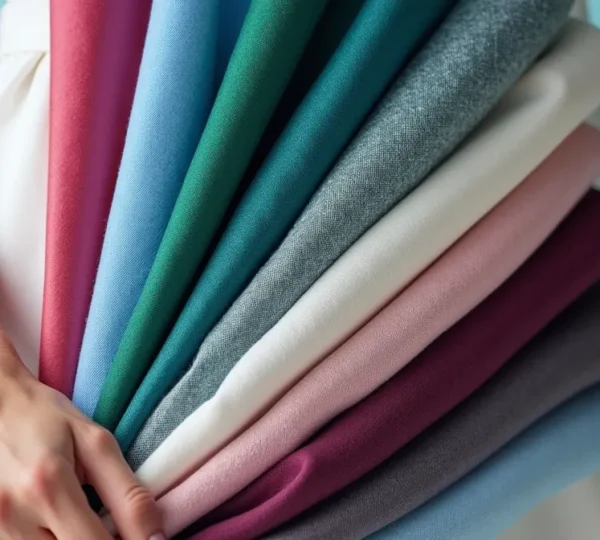
The Winter Palette: A Guide to Colors That Illuminate Cool Undertones
In summary: Your foundation may look orange due to oxidation, a chemical reaction with your skin’s cool undertones. Successful Winter styling hinges on choosing colors with high “chromatic purity”—clear, crisp…
Read more
How to Style Trending Pantone Colors for the Office: A Strategic Guide
In summary: Understand the psychological footprint of bold colors like red, which can backfire in sensitive contexts like negotiations. Introduce new shades methodically, starting with accessories and always testing fabric…
Read more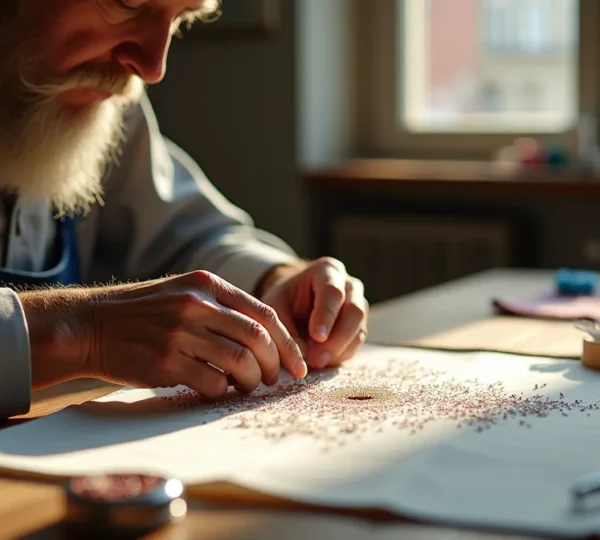
Understanding Haute Couture: Why Does a Single Custom Garment Cost More Than a Luxury Car?
A single Haute Couture garment’s price isn’t about fashion; it’s a direct reflection of thousands of hours of specialized engineering and legally protected artistry. True Haute Couture is a legally…
Read more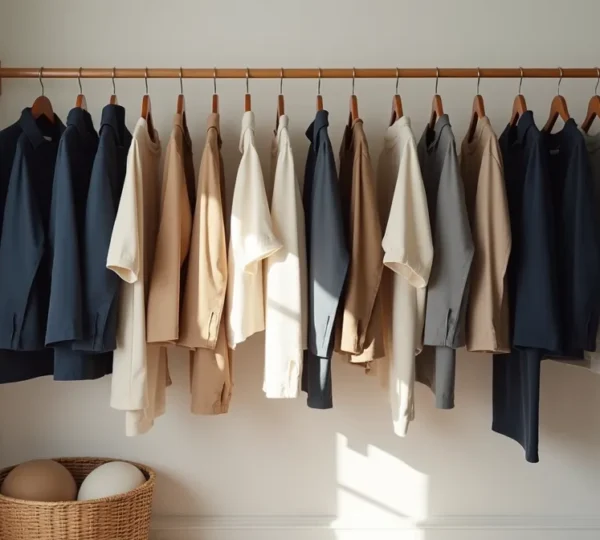
Capsule Wardrobe Essentials: How to Build a Versatile Closet with Only 30 Items?
A 30-piece capsule wardrobe succeeds not by restriction, but by a strategic focus on perfect fit and maximizing the value of every single item. Fit is non-negotiable; a tailored budget…
Read more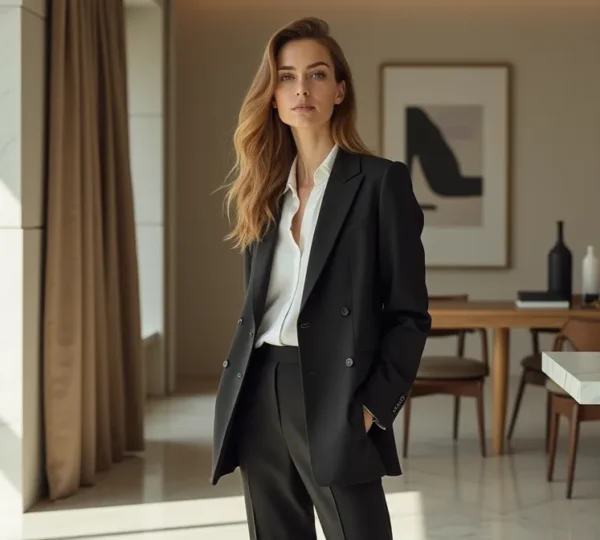
How to Look Expensive: Secrets to Elevating Your Style on a High Street Budget
Looking expensive has less to do with the price tag and more to do with mastering the subtle signals of quality that command attention. Impeccable tailoring can make a $50…
Read more