Home & Living
Your home is far more than four walls and a roof. It’s the backdrop to your daily rituals, the sanctuary where you recharge, and the canvas upon which you express your identity. Whether you’re settling into your first apartment or reimagining a long-established space, understanding the fundamentals of home and living can transform how you experience your environment. The choices you make—from furniture placement to color palettes, from lighting design to organizational systems—directly influence your mood, productivity, and overall quality of life.
This comprehensive resource explores the essential elements that define thoughtful home living. We’ll examine how design principles intersect with practical functionality, why sustainability matters in domestic spaces, and how small adjustments can yield profound improvements in comfort and efficiency. By the end, you’ll possess a foundational understanding of creating spaces that truly work for you, not against you.
Why Your Living Space Shapes Your Daily Well-Being
The connection between our physical environment and mental state is well-documented. A cluttered room often mirrors—and amplifies—a cluttered mind, while an organized, thoughtfully arranged space can promote clarity and calm. Environmental psychology reveals that elements like natural light exposure, air quality, and spatial organization directly affect stress levels, sleep quality, and even interpersonal relationships.
Consider how you feel when entering a room flooded with morning sunlight versus one with harsh overhead fluorescent lighting. Or compare the sensation of navigating a cramped, obstacle-filled hallway to moving freely through an open, well-planned layout. These aren’t merely aesthetic preferences—they’re neurological responses. Our brains are wired to seek order, comfort, and safety in our immediate surroundings.
Investing time in understanding your living space pays dividends in unexpected ways. People who report satisfaction with their home environment consistently demonstrate higher productivity when working from home, better sleep hygiene, and increased willingness to host social gatherings. Your home becomes not just a place to exist, but a platform for the life you want to lead.
Core Principles of Functional Interior Design
Effective interior design isn’t about following trends or achieving magazine-perfect aesthetics. It’s about creating environments that serve your specific needs while remaining visually coherent. Three foundational concepts guide this process.
Understanding Space Flow and Layout
Traffic patterns matter more than most people realize. Observe how you naturally move through your home during typical daily activities: morning routines, meal preparation, evening relaxation. Functional flow means these pathways remain unobstructed and intuitive. Furniture should facilitate movement, not impede it. A common mistake is pushing all furniture against walls, which can actually make rooms feel smaller and less inviting. Instead, consider creating conversation zones or work areas that float within the space, defining purpose without blocking circulation.
Balancing Aesthetics with Practicality
That beautiful glass coffee table might look stunning in a showroom, but if you have young children or frequently host game nights, it may prove impractical. The best design decisions satisfy both form and function. Ask yourself: Will this item withstand my actual lifestyle? Can it be easily cleaned or maintained? Does it solve a problem or merely occupy space? A well-chosen piece serves multiple purposes—a storage ottoman provides seating, conceals clutter, and adds visual interest simultaneously.
The Role of Lighting in Home Ambiance
Lighting transforms spaces more dramatically than almost any other single element. Relying solely on overhead fixtures creates flat, uninviting environments. Instead, employ layered lighting: ambient (general illumination), task (focused light for specific activities), and accent (highlighting architectural features or artwork). Dimmer switches offer flexibility, allowing the same room to transition from energizing morning brightness to cozy evening atmosphere. Natural light remains the gold standard—arrange furniture to maximize sun exposure during peak hours while using window treatments to control glare and privacy.
Creating Comfort Through Thoughtful Furniture Selection
Furniture represents one of your most significant home investments, both financially and spatially. Choosing wisely means prioritizing quality over quantity and understanding your authentic needs rather than aspirational ones.
Start by honestly assessing how you use each room. If you rarely watch television but frequently read, invest in exceptional seating with proper lumbar support and excellent task lighting rather than an oversized entertainment center. Scale matters critically—a sectional sofa designed for a spacious suburban home will overwhelm a compact urban apartment, making it feel cramped rather than cozy.
When evaluating furniture, consider these factors:
- Durability: Construction methods, material quality, and warranty terms indicate longevity
- Versatility: Pieces that adapt to multiple uses or configurations provide better long-term value
- Ergonomics: Proper dimensions and support prevent discomfort during extended use
- Maintenance requirements: Upholstery should align with your lifestyle and cleaning preferences
Remember that empty space serves a purpose. Resisting the urge to fill every corner allows rooms to breathe and creates visual rest. A few well-chosen, high-quality pieces will always surpass a room crammed with mediocre furnishings.
Sustainable Living Practices for the Modern Home
Sustainability in home living extends beyond environmental consciousness—it often translates to reduced expenses, healthier indoor air quality, and products that genuinely last. Adopting eco-friendly practices doesn’t require complete lifestyle overhauls; incremental changes accumulate meaningful impact.
Begin with material awareness. When purchasing furniture, textiles, or building materials, research their origins and production methods. Reclaimed wood, rapidly renewable resources like bamboo, and recycled metals offer durability without depleting finite resources. Many manufacturers now provide transparency about their supply chains and environmental certifications, making informed choices increasingly accessible.
Energy efficiency represents another cornerstone. Simple upgrades yield substantial benefits:
- Replace incandescent bulbs with LED alternatives (using significantly less energy with longer lifespans)
- Install programmable thermostats to optimize heating and cooling patterns
- Use weatherstripping and proper insulation to prevent energy waste
- Choose energy-efficient appliances when replacements become necessary
Waste reduction starts with mindful consumption. Before acquiring something new, honestly evaluate whether it fills a genuine need or merely satisfies a momentary desire. Embrace repair culture—many items can be restored rather than discarded. When disposal becomes unavoidable, prioritize donation, resale, or proper recycling over landfill contribution. These practices cultivate both environmental stewardship and financial prudence.
Personalizing Your Space to Reflect Your Lifestyle
Generic, showroom-perfect spaces often feel sterile because they lack the personal touches that transform a house into a home. Your living environment should tell your story, accommodate your hobbies, and adapt to your evolving needs.
Authenticity matters more than adherence to design rules. If you’re passionate about vintage vinyl records, display them prominently rather than hiding them away. If cooking brings you joy, prioritize kitchen functionality and invest in tools that inspire culinary creativity. Your space should enable activities you love, not force you to conform to someone else’s vision of proper living.
Create distinct zones for different activities, especially in multipurpose rooms. A strategically placed bookshelf can separate a home office corner from a relaxation area within the same room. Rugs define conversation spaces, while lighting distinctions signal functional transitions. These boundaries help your brain shift between work mode, relaxation, and social engagement without requiring separate rooms for each purpose.
Finally, remember that personalization is an ongoing process. As your life circumstances change—new relationships, different work arrangements, evolving interests—your home should adapt accordingly. Periodically reassess whether your current setup still serves you, and give yourself permission to modify what no longer works. The most successful living spaces evolve alongside their inhabitants, maintaining relevance through life’s various chapters.
Creating a home that truly supports your well-being combines practical knowledge with personal intuition. The principles outlined here provide a foundation, but your unique circumstances, preferences, and aspirations should guide specific decisions. Start with small, manageable changes, observe how they affect your daily experience, and build confidence in your ability to shape your environment intentionally. Your home is one of the few aspects of modern life over which you exercise substantial control—use that power wisely to craft spaces that nurture, inspire, and genuinely feel like yours.
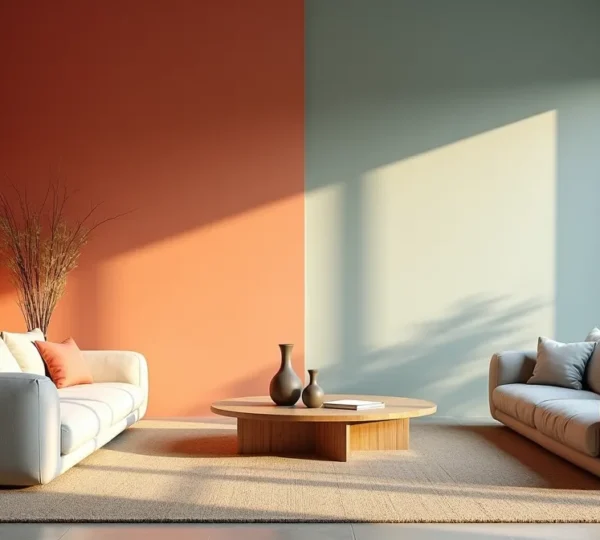
Choosing a Chromatic Palette: How to Use Color Theory to Evoke Calm in Chaotic Spaces?
Creating a calm home isn’t about choosing ‘calm’ colors, but about mastering how light and texture interact to reduce your brain’s cognitive load. A color’s true nature is revealed by…
Read more
Restoring Architectural Detail: How to Preserve Historic Charm While Modernizing Your Home?
In summary: Restoring original architectural details is not just an aesthetic choice; it’s a financial investment that significantly increases property value. Successful modernization prioritizes reversible, non-destructive interventions over irreversible changes…
Read more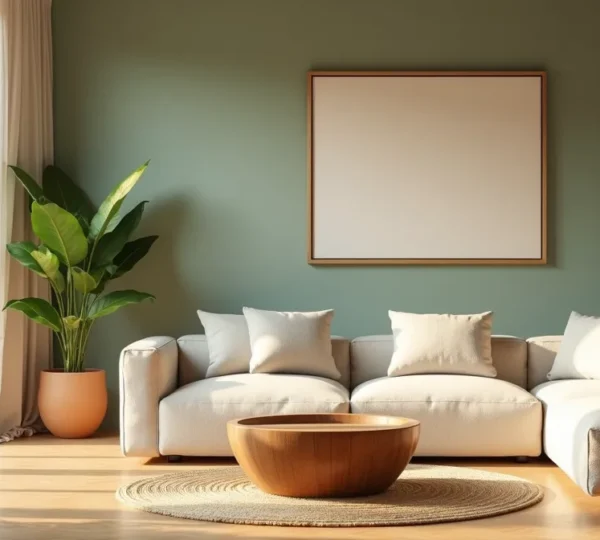
Interior Design Psychology: How to Create a Home That Reduces Stress Levels Daily?
In summary: Your home’s design directly impacts your nervous system; it’s not just about aesthetics. Swap sharp, angular furniture for curved shapes to reduce subconscious anxiety triggers. Master light by…
Read more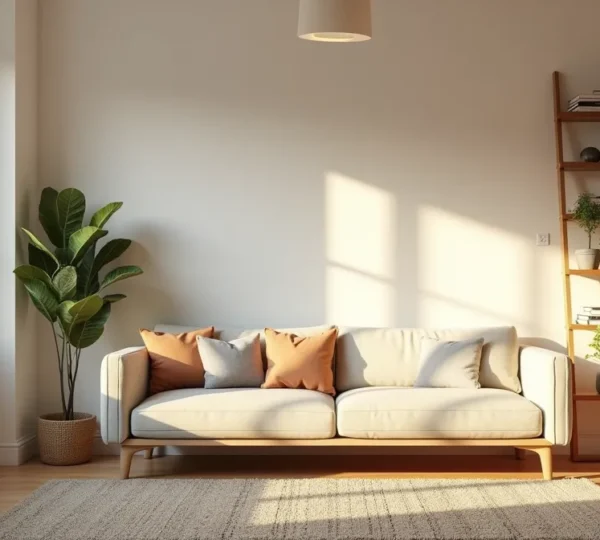
Optimizing the Domestic Layout: How to Make a 500 Sq. Ft. Apartment Feel Twice as Big?
The secret to a spacious small apartment isn’t adding mirrors—it’s mastering its invisible architecture by controlling flow, perception, and psychology. Visual noise, not just clutter, is the primary source of…
Read more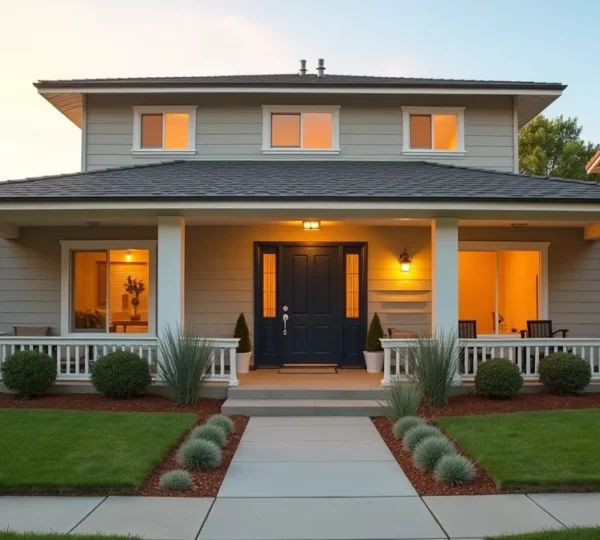
Successfully Renovating Residential Spaces: How to Increase Property Value by 15% on a Budget?
The key to a profitable renovation isn’t a bigger budget; it’s mastering the operational systems that prevent cost overruns and value erosion. Budget “creep” is caused by a lack of…
Read more