Culture & Entertainment
Culture and entertainment form the vibrant tapestry of human expression that connects us across boundaries, generations, and experiences. Whether you’re streaming your favorite series, visiting a museum, attending a concert, or reading a novel before bed, you’re participating in an ecosystem that has shaped civilizations for millennia. These creative pursuits aren’t mere distractions—they’re fundamental to how we understand ourselves, communicate complex emotions, and build shared meaning in an increasingly complex world.
The landscape of culture and entertainment has expanded dramatically in recent years, offering unprecedented access to artistic experiences and creative content. From traditional galleries and concert halls to digital platforms delivering content instantly to billions of devices, the ways we engage with culture have multiplied. This article explores the essential dimensions of culture and entertainment: the diverse forms they take, the industries that deliver them, their profound impact on society, and practical ways you can deepen your engagement with the cultural world around you.
What Makes Culture & Entertainment Essential to Modern Life?
Think of culture and entertainment as society’s emotional infrastructure—just as essential as roads and bridges, but serving our psychological and social needs. They provide frameworks for collective experiences that unite strangers in theaters, build communities around shared interests, and create common reference points that facilitate conversation and connection.
Beyond social bonding, cultural engagement offers measurable benefits to individual wellbeing. Research consistently demonstrates that regular participation in cultural activities—whether as creators or consumers—enhances cognitive flexibility, reduces stress, and improves overall life satisfaction. When you watch a compelling documentary, you’re not just being entertained; you’re expanding your perspective and developing empathy by experiencing realities beyond your immediate environment.
Culture also serves an educational function that formal learning cannot replicate. Historical dramas illuminate past eras with emotional resonance that textbooks rarely achieve. Music from different traditions introduces you to cultural values and aesthetic principles shaped by geography, history, and social context. Entertainment, at its best, becomes a vehicle for informal learning that feels effortless because it’s genuinely engaging.
The Many Forms of Cultural Expression
Cultural expression manifests through countless mediums, each offering unique ways to communicate ideas, emotions, and stories. Understanding these different forms helps you navigate the cultural landscape more intentionally and discover what resonates most deeply with your personal interests.
Visual Arts and Their Impact
Visual arts encompass everything from classical painting and sculpture to contemporary installation art, photography, and digital media. These forms communicate through visual language—color, composition, form, and symbolism—that can transcend linguistic barriers. A powerful photograph can convey complex social commentary instantly, while abstract paintings invite personal interpretation that makes each viewer’s experience unique.
Engaging with visual arts doesn’t require specialized knowledge. Museums and galleries design exhibitions with diverse audiences in mind, often providing context through labels, audio guides, and docent programs. Online platforms have democratized access further, allowing you to explore collections from world-renowned institutions without leaving home.
Performing Arts: Theater, Dance, and Music
Performing arts bring the element of live human presence to cultural expression, creating ephemeral experiences that exist only in the moment of performance. Theater combines narrative, physical embodiment, and visual design to create immersive storytelling. Dance communicates through movement and rhythm, expressing emotions and ideas that words cannot capture. Music, perhaps the most universally appreciated art form, engages us through melody, harmony, and rhythm that can evoke powerful emotional responses.
The value of live performance lies partly in its imperfection and uniqueness. No two performances are identical, and the energy exchange between performers and audience creates a shared experience fundamentally different from recorded media. This immediacy and presence explain why live concerts and theater continue thriving despite the convenience of digital alternatives.
Literature and the Written Word
Literature offers the most intimate form of cultural engagement—a direct conversation between author and reader that unfolds within your imagination. Unlike visual media that shows you specific images, written narratives require you to actively construct mental representations, making reading a uniquely participatory experience. Fiction develops empathy by allowing you to inhabit other perspectives, while non-fiction expands knowledge and challenges assumptions.
The written word spans diverse formats: novels, short stories, poetry, essays, graphic novels, and increasingly, digital narratives that incorporate interactive elements. Each format offers different rhythms and intensities of engagement, from the quick impact of flash fiction to the immersive commitment of multi-volume epics.
The Entertainment Industry Landscape
Understanding how entertainment reaches you illuminates both the opportunities and challenges of the current cultural ecosystem. The industry has undergone transformation as digital technologies disrupt traditional distribution models and create new possibilities for creators and audiences alike.
Streaming and Digital Platforms
Streaming platforms have revolutionized access to entertainment, offering vast libraries of content available on-demand. This shift from scheduled broadcasting to personalized consumption puts you in control of what you watch and when you watch it. Algorithms analyze your preferences to recommend content, creating customized experiences but also potentially limiting exposure to unexpected discoveries.
These platforms extend beyond video to encompass music streaming, podcast networks, and digital reading services. The subscription model has made legal access more affordable and convenient than ever, though the proliferation of competing services creates new challenges as exclusive content fragments across multiple platforms.
Traditional Media and Their Evolution
Television, radio, cinema, and print media continue adapting to the digital age rather than disappearing. Movie theaters emphasize premium experiences—larger screens, superior sound, comfortable seating—that differentiate them from home viewing. Radio has found new life through podcasting and streaming audio. Print publications develop digital presences while exploring what unique value physical formats provide.
These traditional channels still offer advantages: the communal experience of cinema, the curated discovery of radio programming, the serendipity of browsing bookstores or newsstands. They remind us that newer isn’t always better—different formats serve different needs and moods.
How Cultural Engagement Enriches Your Life
Active cultural participation yields benefits that passive consumption cannot match. When you attend performances, visit exhibitions, or join book clubs, you’re not just receiving content—you’re entering communities and developing new dimensions of yourself.
Cultural activities provide social connection opportunities that combat isolation. Discussing a provocative film with friends, attending concerts with thousands of fellow fans, or participating in community theater creates bonds through shared experience. These connections often cross demographic boundaries that typically divide people, uniting diverse individuals through common interests.
Engagement also develops critical thinking and aesthetic judgment. As you experience more art and entertainment, you naturally begin noticing patterns, comparing approaches, and forming informed opinions about quality and meaning. This developing discernment enhances appreciation—you notice subtleties and techniques that previously went unrecognized, making each new experience richer.
Perhaps most importantly, regular cultural engagement nurtures creativity and imagination. Exposure to how others solve creative problems—how filmmakers build tension, how composers create emotional arcs, how writers reveal character—provides tools you can apply in your own creative pursuits, whatever form they take. Culture both inspires and instructs.
Finding Your Place in the Cultural Scene
The abundance of cultural options can feel overwhelming, but discovering what resonates with you is an exploratory journey rather than a problem to solve. Start with curiosity rather than obligation—there’s no cultural canon you must complete or credentials you need to earn.
Practical Steps for Deeper Engagement
Begin by sampling broadly across different forms and genres. Your tastes will evolve with exposure, and early preferences shouldn’t limit later exploration. Many people discover unexpected passions—classical music lovers who find depth in hip-hop, or literary fiction readers who embrace graphic novels—when they approach unfamiliar forms with openness.
Seek out local cultural institutions and events in your community. Most cities offer free or low-cost options: public library programs, museum discount days, outdoor concerts, community theater, open mic nights, and art walks. These grassroots cultural experiences often provide more approachable entry points than major commercial venues.
Consider moving from passive consumption to active participation. Join discussion groups, write reviews, create playlists, or try making art yourself. The insights gained from attempting creative work—however modest—transform how you appreciate professional productions. You notice the craftsmanship involved and develop respect for the skills required.
Balancing Discovery and Depth
While breadth of exposure has value, so does depth of engagement. Rather than constantly chasing novelty, periodically revisit works that moved you. Great art reveals new layers upon repeated encounters as your own experiences and perspective mature. A film that seemed simple at twenty may reveal profound complexity at forty.
Follow threads of interest wherever they lead. If you enjoyed a particular director, explore their complete filmography. If a novel captivated you, read other works from that literary movement or geographical region. These deep dives build contextual understanding that enriches individual works and connects them to larger cultural conversations.
Culture and entertainment represent humanity’s ongoing conversation with itself—a dialogue spanning millennia that you’re invited to join. Whether you engage primarily as an appreciative audience member or as an active creator, your participation adds your unique perspective to this collective expression. The cultural landscape offers infinite pathways for exploration, each leading to new insights, connections, and possibilities for enrichment. Start wherever your curiosity points you, remain open to unexpected discoveries, and remember that there’s no wrong way to engage with what moves you.
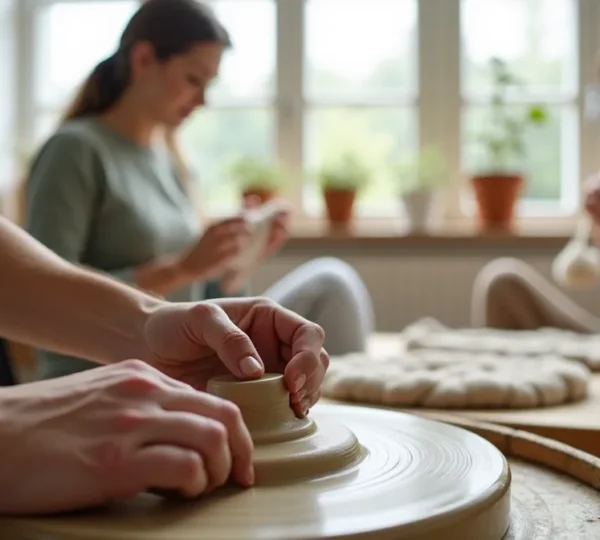
How Crafting Resets Your Brain: The Science of Using Your Hands to Reduce Cortisol
Contrary to popular belief, crafting is not just a quaint hobby; it is a powerful tool for somatic regulation that directly counteracts the effects of digital burnout. Repetitive creative motions…
Read more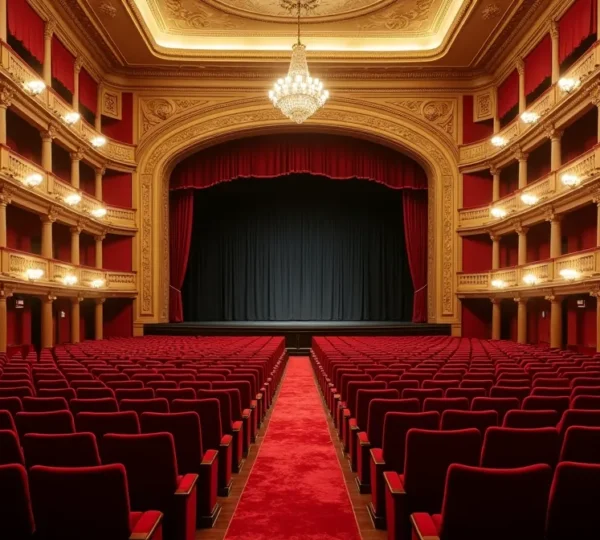
Attending Theatrical Performances: How to Select the Best Seats for Acoustics and View?
The common belief that the most expensive front-row seat guarantees the best experience is a costly myth; true theatrical appreciation comes from strategically selecting a seat that aligns with the…
Read more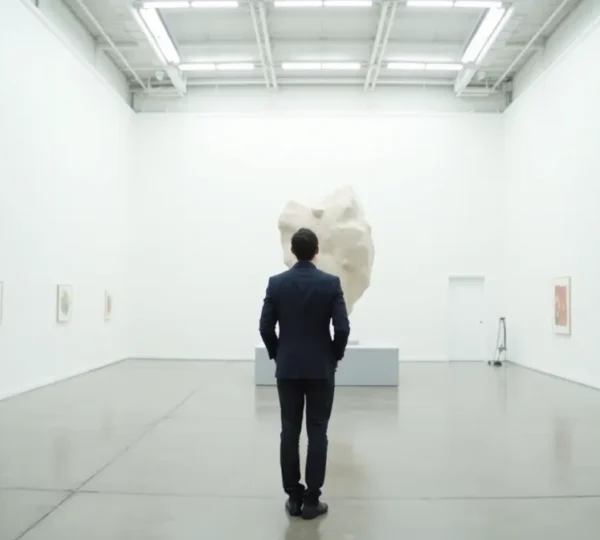
How to Visit a Gallery Like a Critic: A Guide to Interpreting Contemporary Art
To interpret contemporary art like a critic, you must look beyond the canvas and decode the professional systems that assign it value—from gallery language to market signals. The difference between…
Read more
Discover Heritage and Learn Arts: How to Plan a Cultural Trip That Educates the Whole Family?
The success of a family cultural trip isn’t the destination, but the strategy; it’s about transforming passive sightseeing into an active, shared story. Frame historical sites within a narrative using…
Read more
A Craftsman’s Guide to Identifying Quality Leather: Distinguishing True Grain from Deceptive Fakes
True leather quality lies not in misleading labels like “Genuine Leather,” but in its structural integrity (full-grain) and its capacity to tell a story through patina. “Genuine Leather” is a…
Read more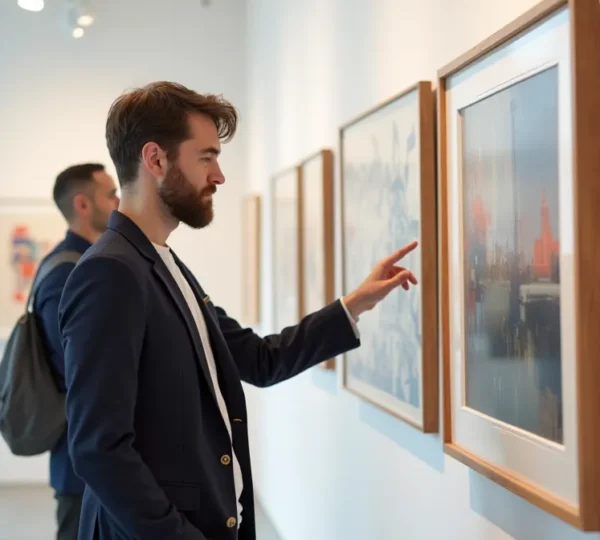
Collecting Art for Beginners: How to Spot Future Value Before It’s Obvious
To build an art collection with future value, you must move beyond “buy what you love” and learn to decode the art market’s structural signals. Future value is often indicated…
Read more